
Reaching your goal weight is a major accomplishment, but it isn’t always the end of the transformation. Many people are surprised to find that after losing weight, they still have concerns about loose skin, changes in muscle tone, or stubborn areas that don’t reflect how healthy they feel. Others are focused on maintaining their results and building a body that feels as strong as it looks.
The truth is that lasting transformation involves more than the number on the scale. Factors like body composition, muscle mass, skin quality, and healthy habits all influence how you look, feel, and maintain your results over time. Whether you’ve lost weight through lifestyle changes or a GLP-1 weight loss program, understanding what comes next can help you make the most of your success.
What Happens After You Reach Your Weight Loss Goal?
Shedding excess pounds is a tremendous achievement. Yet, most people are surprised to find that their weight loss transformation introduces new questions about their body, health, and confidence. What happens after you lose weight involves more than watching the scale drop; it’s about how your body, skin, and lifestyle adapt to this major change.
- Body Composition Shifts: As you lose fat, your overall body composition changes. The ratio of fat to muscle, known as body composition, plays a key role in how you look and feel. Even with healthy weight loss, you may notice changes in muscle definition or new areas of stubborn fat that don’t respond to further diet or exercise.
- Skin Elasticity: Rapid or significant weight loss can outpace the skin’s ability to shrink, resulting in loose skin after weight loss. This is especially common in the abdomen, arms, thighs, and neck.
- Muscle Tone: Without a focus on resistance training, muscle loss after weight loss is possible. This can affect your shape, strength, and metabolism.
- Metabolic Changes: Your metabolism may slow slightly after losing weight, making it more challenging to maintain your results.
- Confidence and Adjustment: Many experience a disconnect between their new body and their self-image, needing time to mentally adjust and find confidence after weight loss.
- Lifestyle Shifts: Maintaining weight loss requires ongoing healthy habits, from mindful eating to regular exercise and self-care.

Weight Loss Doesn't Always Mean Body Confidence
Reaching a goal weight is often seen as the ultimate solution to body dissatisfaction. However, many find that even after their weight loss journey, lingering concerns can affect their confidence. This is not a sign of failure but a normal and common part of body transformation after weight loss.
- Loose Skin: Skin that once stretched to accommodate extra weight may not fully retract, especially after significant or rapid weight loss. This can impact how clothing fits and how you feel in your own skin.
- Lack of Definition: In some cases, the loss of both fat and muscle may lead to a softer, less defined shape than expected.
- Stubborn Fat: Certain areas, such as the abdomen, flanks, or thighs, may retain pockets of fat despite reaching a healthy weight.
- Loss of Curves or Muscle Tone: Decreases in lean muscle can change the shape and contour of your body, sometimes leading to disappointment about your weight loss results.
If you find yourself facing any of these concerns, know that you are not alone. These experiences are shared by many who have achieved significant weight loss, and addressing them is a valid and important part of the transformation process. Confidence after weight loss isn’t just about the scale; it’s about feeling strong, healthy, and comfortable in your new body.
Understanding Body Composition and Muscle Preservation
The scale is only one measure of progress. A true transformation after weight loss depends on changes in body composition, not just weight. Understanding the difference between losing weight, losing fat, and losing muscle can help you make the most of your results and achieve a strong, healthy shape.
- Losing Weight: Refers to a reduction in total body mass, which can include fat, muscle, and even water.
- Losing Fat: Refers specifically to the reduction of body fat percentage. This is often the healthiest and most desirable type of weight loss.
- Losing Muscle: If weight loss happens too quickly or without resistance training, you may lose lean muscle tissue, which is not ideal for health or appearance.
Body Recomposition is the process of reducing fat while increasing or maintaining muscle mass. This approach helps create a toned, sculpted look and supports long-term wellness after weight loss.
Preserving Muscle: Lean muscle helps keep your metabolism higher, supports daily activities, and shapes your physique. Prioritizing muscle building after weight loss through resistance training and adequate protein is key to a successful body transformation.
Why Muscle Matters: Muscle not only contributes to strength and function but also determines your resting metabolic rate. More muscle means your body burns more calories at rest, supporting weight loss maintenance.
Weight Loss vs. Complete Body Transformation
| Change After Weight Loss | Possible Concern | Solution/Next Step |
|---|---|---|
| Overall lower weight | Muscle loss | Resistance training, protein intake |
| Loose skin | Skin laxity | Skin tightening, collagen support |
| Stubborn fat pockets | Proportions | Body contouring, targeted exercise |
| Lower metabolism | Difficulty maintaining loss | Muscle building, healthy habits |
Navigating GLP-1 Weight Loss: Beyond the Numbers
GLP-1 weight loss medications have opened new possibilities for people who struggle with appetite or metabolic challenges. These treatments can help individuals achieve remarkable weight loss results, but they also bring unique post-weight loss considerations.
- Rapid Fat Loss and Its Effects: Significant weight reduction achieved relatively quickly can increase the chance of loose skin after weight loss and may contribute to muscle loss if not carefully managed. Many patients on GLP-1 medications notice these changes more acutely.
- Body Composition is Key: The main goal of any healthy weight loss program, including those involving GLP-1 medications, should be to preserve or improve body composition. That means focusing on maintaining lean muscle and supporting skin health alongside fat reduction.
- Complementary Treatments: Medical weight loss is only one part of the journey. After reaching a healthier weight, many patients choose treatments that help refine their results. CoolSculpting Elite can reduce stubborn pockets of fat that remain despite healthy habits, while CoolTone strengthens and tones muscles to improve definition. For patients concerned about loose or crepey skin, collagen-stimulating treatments like Ultherapy Prime, RF Microneedling, and TotalSkin Solution can help tighten and rejuvenate the skin without surgery. Together, these treatments create a more complete transformation by addressing concerns that weight loss alone cannot.
Completing Your Transformation: Refine Your Form
A complete transformation after weight loss includes more than just shedding pounds. Addressing skin, muscle, and stubborn fat with targeted treatments and lifestyle strategies can help you feel truly confident and strong in your new body.
Getting Firmer Skin after Weight Loss
Losing weight is an incredible accomplishment, but it can also leave behind loose or less elastic skin. While healthy habits support skin health, many patients benefit from treatments that stimulate collagen production and improve firmness.
At Dōcerē, options such as Ultherapy Prime, RF Microneedling, and TotalSkin Solution are designed to tighten and rejuvenate the skin without surgery. These treatments encourage your body’s natural collagen production, gradually improving skin laxity in areas like the face, neck, abdomen, and other parts of the body.
Depending on your goals, your provider may recommend combining skin tightening with a personalized skincare routine or other aesthetic treatments to achieve more comprehensive rejuvenation.
Sculpting Your Shape with Body Contouring After Weight Loss
Even after successful weight loss, stubborn fat deposits may remain in areas like the abdomen, flanks, thighs, or under the chin. These resistant pockets are often influenced by genetics and may not respond to additional diet or exercise.
CoolSculpting Elite offers a non-surgical way to target and reduce these stubborn fat cells, helping refine your natural contours without surgery or downtime. For patients who want additional muscle definition, CoolTone uses targeted muscle stimulation to strengthen and tone treated areas, creating a firmer, more sculpted appearance.
Rather than replacing healthy habits, these treatments complement your weight loss by enhancing the shape you’ve worked so hard to achieve. During your consultation, your provider can recommend the combination of treatments that best aligns with your goals.
Strategic Muscle Building for a Stronger You
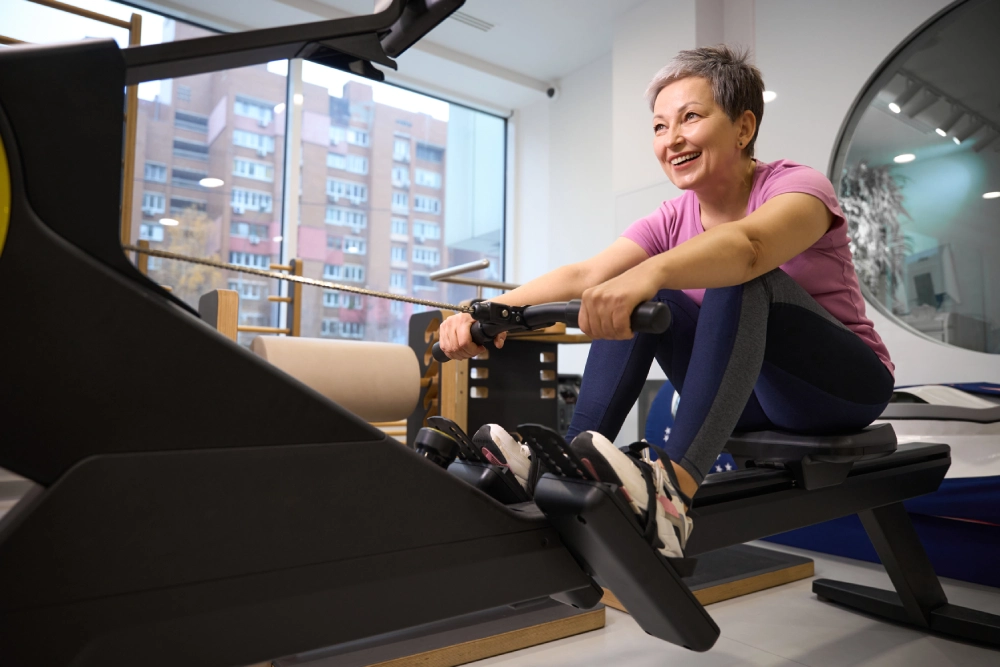
Building and maintaining muscle after weight loss is one of the most important steps for lasting results. Muscle supports your metabolism, helps maintain your new weight, improves strength, and shapes your body.
- Resistance Training: Lifting weights or using resistance bands stimulates muscle growth and helps prevent muscle loss after weight loss.
- Nutrition: Consuming enough protein and calories is essential for muscle repair and growth.
- Metabolic Support: More muscle means more calories burned at rest, supporting weight loss maintenance and overall health.
- Long-Term Results: Prioritizing muscle building after weight loss can help you maintain and even enhance your transformation for years to come.
If you’re unsure how to build muscle after weight loss, consider working with a qualified fitness or medical professional to develop a safe, effective plan.
Looking as Good as You Feel: Aesthetic Treatments After Weight Loss
Reaching your goal weight often inspires people to invest in themselves in new ways. While body contouring and skin tightening can address physical changes after weight loss, many patients also notice changes in their face and skin that affect how they see themselves. Volume loss, skin laxity, fine lines, and a tired appearance are all common after significant weight loss, particularly following rapid weight loss or GLP-1 treatment.
Fortunately, today’s non-surgical aesthetic treatments can complement your weight loss journey by restoring balance, improving skin quality, and helping your appearance better reflect the confidence you’ve gained.
Restore Facial Volume and Balance
Weight loss can reduce facial fullness, leaving the cheeks, temples, or lips looking less defined. Thoughtfully placed dermal fillers and facial balancing treatments can restore youthful contours while maintaining natural-looking results. Rather than changing your features, these treatments enhance facial harmony and soften the hollow appearance that sometimes develops after weight loss.
Rejuvenate Your Skin
Healthy, glowing skin often completes the transformation. Treatments such as DiamondGlow facials, customized medical facials, microneedling, and advanced laser skin resurfacing can improve texture, brighten the complexion, minimize sun damage, and stimulate collagen production.
Maintain Your Overall Wellness
Confidence after weight loss often comes from feeling healthy both inside and out. Wellness services such as IV Therapy can help support hydration, recovery, and overall well-being as you maintain an active lifestyle. For patients participating in a medical weight loss program, combining aesthetic treatments with ongoing wellness support creates a more comprehensive approach to long-term results.
Whether your goals involve refining your body contours, improving skin quality, restoring facial volume, or simply feeling more confident, a personalized treatment plan can help you enjoy the full benefits of your transformation.
Sustaining Your Success: Healthy Habits for Life After Weight Loss
Reaching your weight loss goal is the beginning of a new chapter. Maintaining weight loss (and supporting your overall wellness after weight loss) depends on building sustainable, healthy lifestyle habits, such as:
- Protein Intake: Adequate protein helps preserve muscle, keeps you feeling full, and supports body recomposition.
- Exercise: Regular physical activity, including resistance and aerobic training, is essential for maintaining results after weight loss.
- Hydration: Drinking enough water supports metabolic health, skin elasticity, and overall wellness.
- Sleep: Quality sleep is linked to better weight management and recovery from exercise.
- Stress Management: Chronic stress can undermine your progress; practices like mindfulness, yoga, or therapy can help.
- Follow-Up Care: Staying in touch with your medical provider ensures you have the support and guidance you need for long-term success.
Weight loss maintenance is an ongoing process. Embracing a healthy lifestyle after weight loss is key to feeling your best and protecting your results for the long term.
Your Questions, Answered: Moving Forward After Weight Loss
What happens after you lose weight?
After weight loss, your body, skin, and metabolism continue to adapt. You may notice loose skin, changes in muscle definition, or stubborn fat. Adopting healthy habits and considering supportive treatments can help you maintain your results and confidence.
Can loose skin tighten naturally?
Mild skin laxity may improve over time, especially with good hydration, nutrition, and skincare. However, significant loose skin after weight loss often requires professional treatments to achieve noticeable tightening.
Should I build muscle after losing weight?
Yes, muscle building after weight loss is vital for maintaining your new shape, supporting metabolism, and improving strength. Incorporate resistance training and adequate protein into your routine.
What are the best treatments after significant weight loss?
The best treatments depend on your unique concerns. Non-surgical body contouring, skin tightening, and muscle-building therapies can all play a role in completing your transformation after weight loss.
Can body contouring replace exercise?
No, body contouring is designed to enhance your shape and target stubborn fat, but it cannot replace the health and metabolic benefits of regular exercise.
What should I do after reaching my weight loss goal?
Celebrate your achievement, then focus on maintaining healthy habits, monitoring your body composition, and seeking guidance for any lingering concerns. Consider consulting with a professional for a personalized plan.
Beyond the Scale: Embrace Your Complete Body Transformation
The journey to wellness is about far more than hitting a target weight. Complete body transformation after weight loss includes maintaining healthy body composition, preserving muscle, rejuvenating skin, and embracing long-term wellness and confidence.
If you’re in the Cleveland or Strongsville area, Dōcerē Medspa can help you take the next steps after reaching your weight loss goal. Schedule a consultation to explore a personalized plan that combines medical weight loss, non-surgical body contouring, and wellness services, supporting you in achieving lasting results and renewed confidence.